Purple Sage Companion Plants That Will Enhance Your Garden
Purple Sage Companion Plants That Will Enhance Your Garden
Sage is a versatile herb that can be used in cooking, medicine, and landscaping. It is also a great companion plant for other herbs and vegetables.
In this blog post, we will discuss the best companion plants for purple sage. We will also discuss the benefits of companion planting and how to choose the right companion plants for your garden.
Benefits of Companion Planting
Companion planting is the practice of planting certain plants together to benefit each other. There are many benefits to companion planting, including:
- Increased crop yields
- Improved plant health
- Reduced pest and disease problems
- Enhanced flavor
- Improved pollination
How to Choose Companion Plants
When choosing companion plants for purple sage, there are a few things to keep in mind:
- Plants with similar growing conditions. Sage prefers full sun and well-drained soil. When choosing companion plants, it is important to choose plants that have similar growing conditions.
- Plants that repel pests. Sage has a strong scent that can repel pests such as cabbage moths, carrot rust flies, and flea beetles. When choosing companion plants, look for plants that have a similar scent or that attract beneficial insects that prey on pests.
- Plants that improve soil quality. Sage is a nitrogen-fixing plant. This means that it can help to improve the nitrogen content of the soil, which can benefit other plants in the garden. When choosing companion plants, look for plants that also improve soil quality.
Best Companion Plants for Purple Sage
Here are some of the best companion plants for purple sage:
- Brassicas: Brassicas, such as broccoli, cauliflower, and Brussels sprouts, are a good choice for companion plants for sage. Sage can help to repel pests that attack brassicas, such as cabbage moths and cabbage loopers.

- Carrots: Sage can help to repel carrot rust flies, which can damage carrots.

- Strawberries: Sage can help to deter pests that attack strawberries, such as slugs and snails. It can also help to enhance the flavor of strawberries.
- Tomatoes: Sage can help to repel flea beetles, which can damage tomatoes. It can also attract beneficial insects that prey on pests that attack tomatoes.

- Beans: Beans are a nitrogen-fixing plant, which means that they can help to improve the nitrogen content of the soil. This can benefit sage and other plants in the garden.

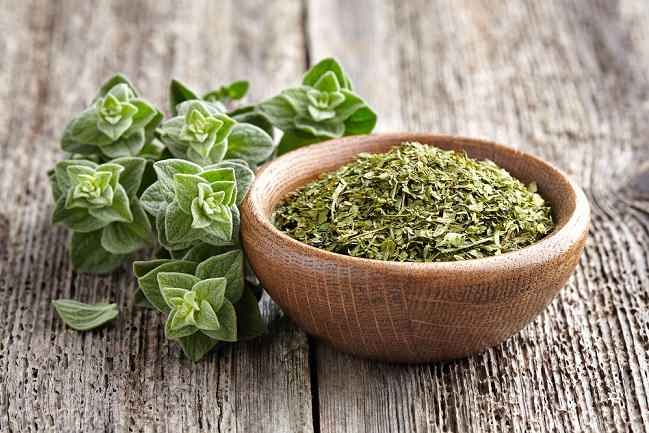
- Oregano: Oregano is a close relative of sage and has similar growing requirements. It also has a strong scent that can repel pests.
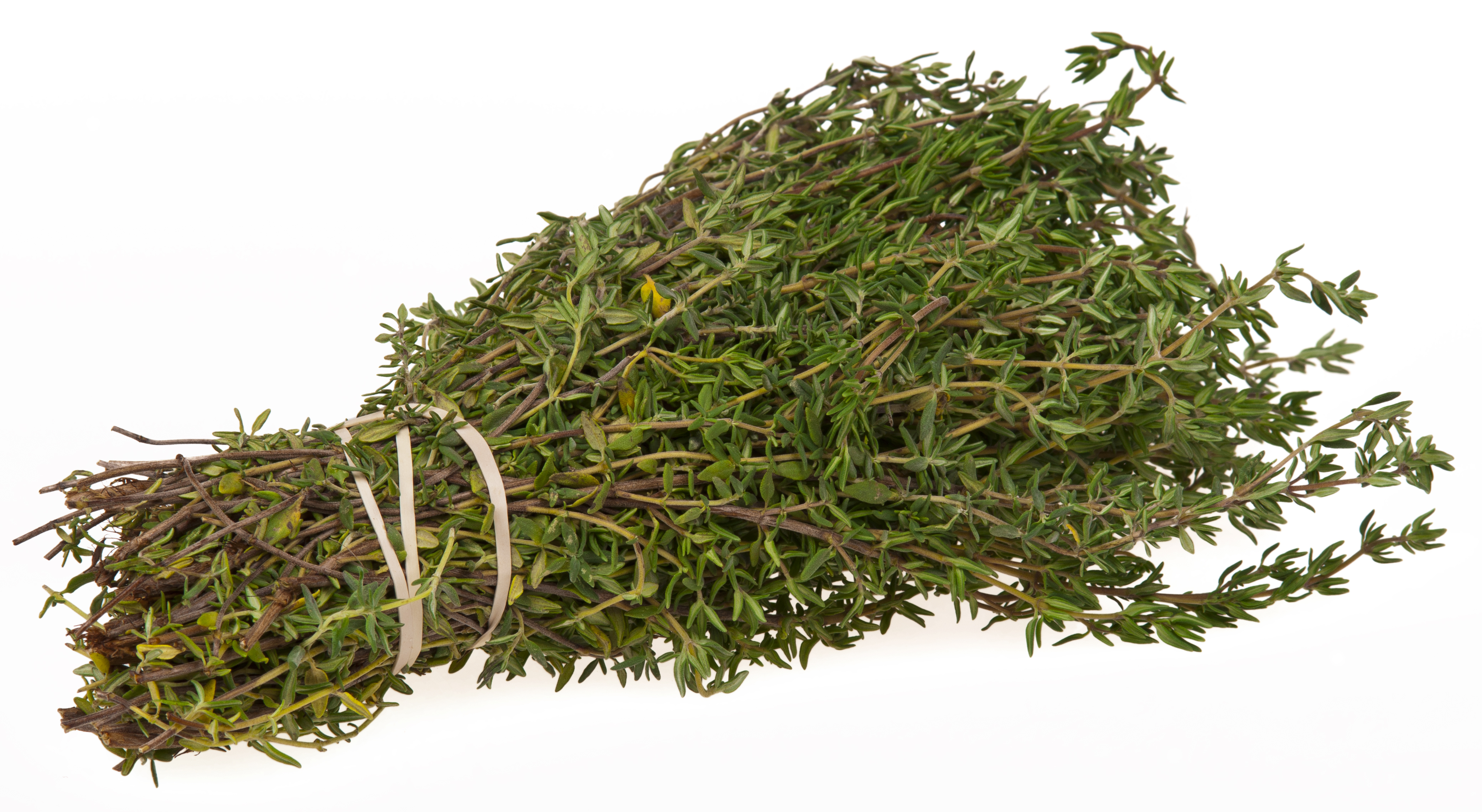
- Thyme: Thyme is another close relative of sage and has similar growing requirements. It also has a strong scent that can repel pests.
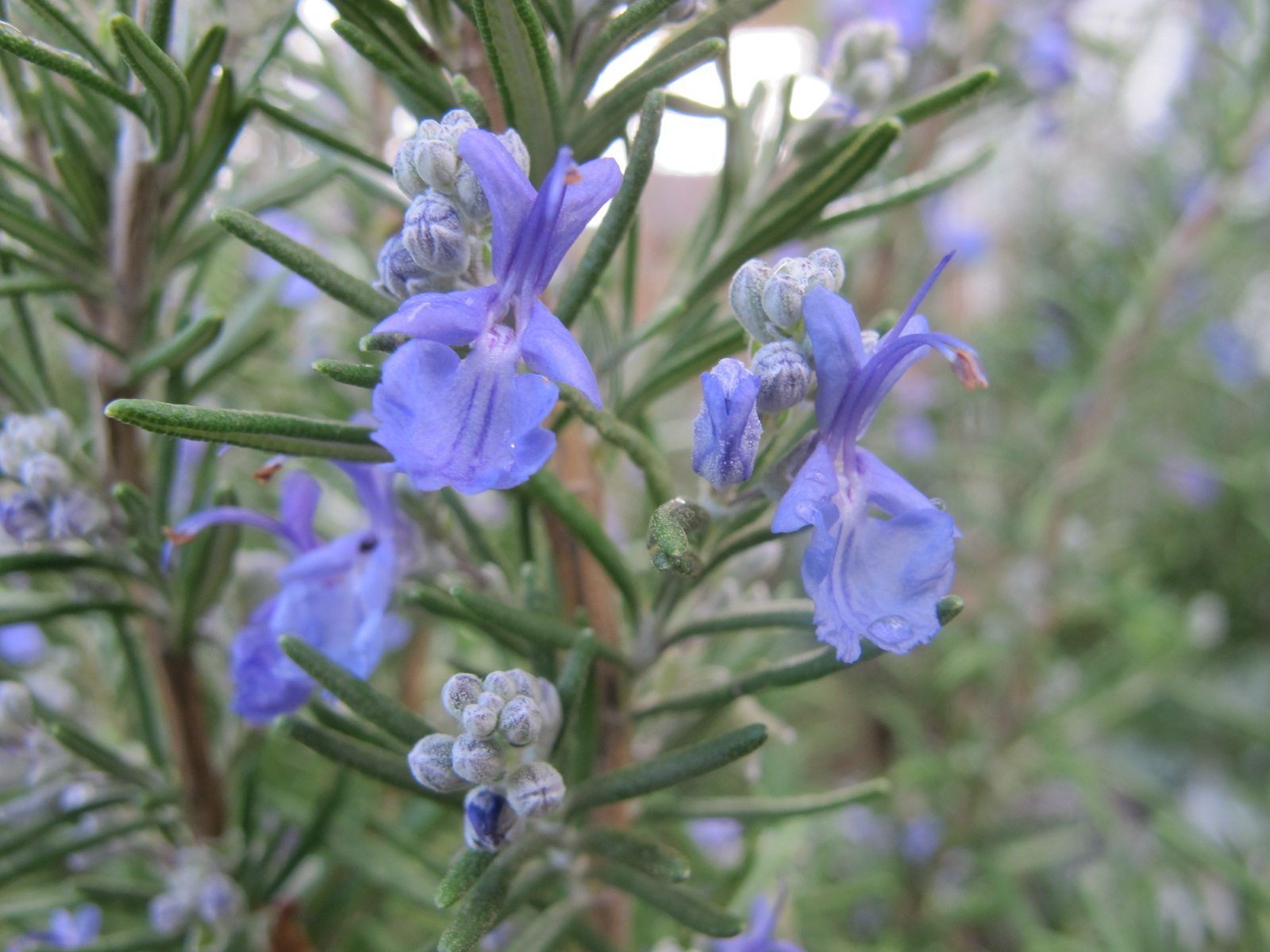
- Rosemary: Rosemary is a drought-tolerant plant that can help to attract beneficial insects to the garden.
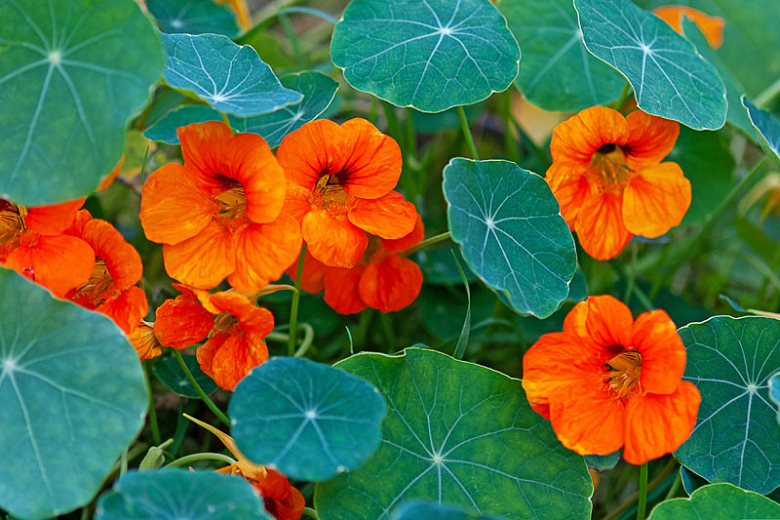
- Nasturtiums: Nasturtiums are a colorful and edible flower that can help to repel pests such as aphids and whiteflies.
Conclusion
Purple sage is a versatile herb that can be used in cooking, medicine, and landscaping. It is also a great companion plant for other herbs and vegetables.
By choosing the right companion plants for purple sage, you can improve the health and productivity of your garden. You can also reduce pest and disease problems and enhance the flavor of your crops.
FAQ of purple sage companion plants
Q: What are some good companion plants for purple sage?
A: Purple sage is a versatile plant that can be paired with a variety of other plants. Some good companion plants for purple sage include:
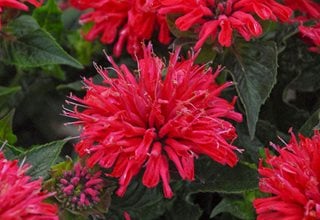
- Bee balm: Bee balm is a nectar-rich plant that attracts pollinators, which can help to improve the pollination of your purple sage plants.
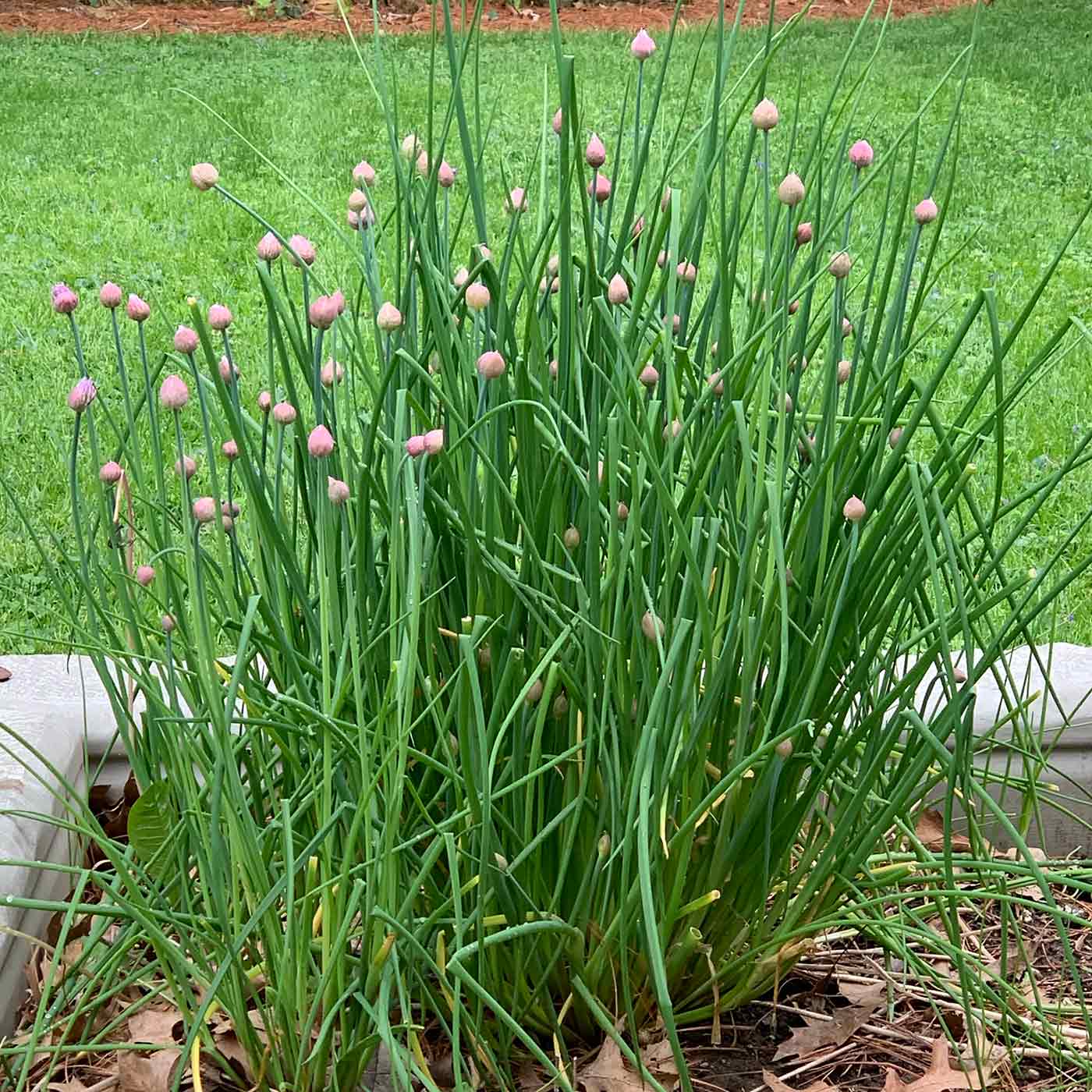
- Chives: Chives are a pungent herb that can help to repel pests, such as aphids and spider mites.
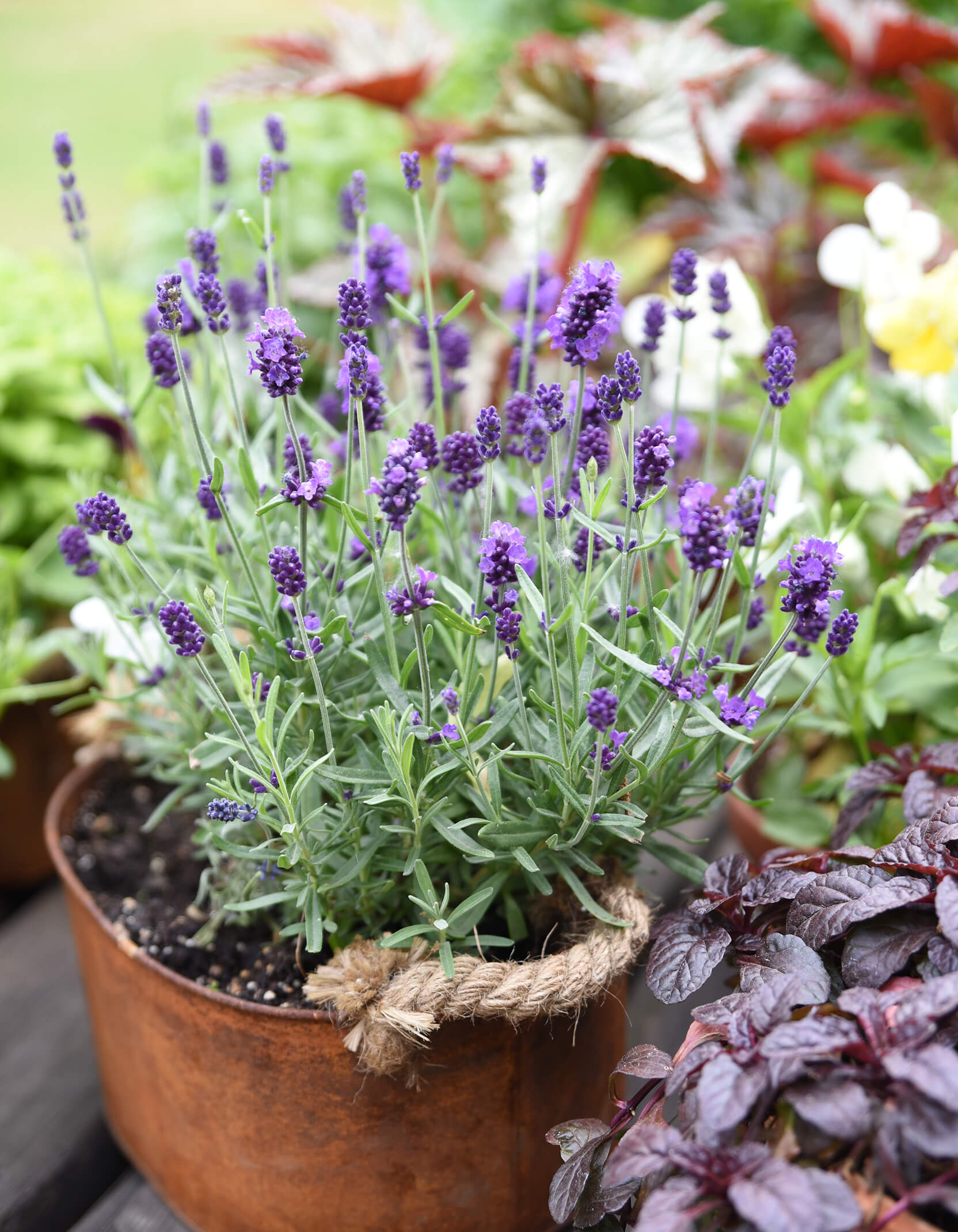
- Lavender: Lavender is a fragrant herb that can help to deter pests and attract pollinators.
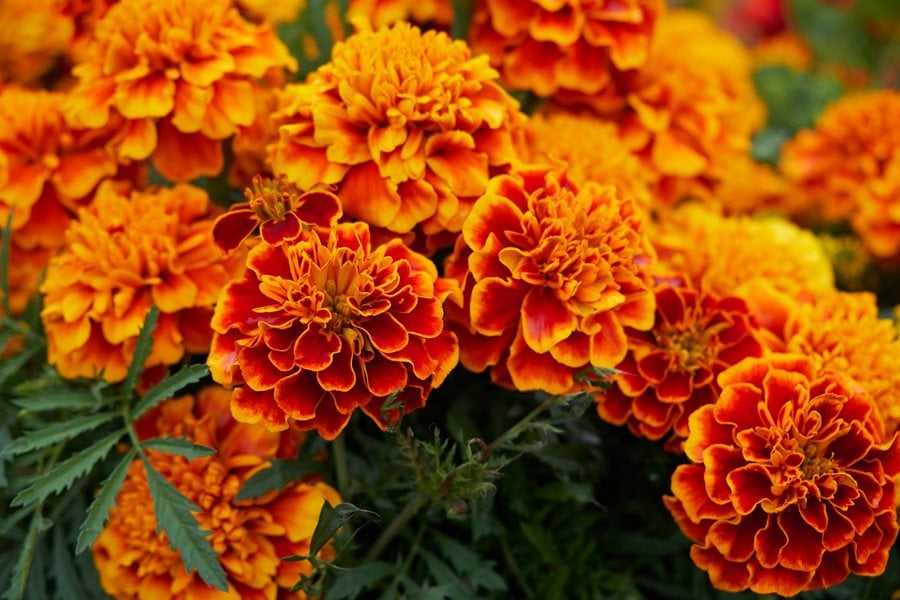
- Marigolds: Marigolds are a colorful flower that can help to repel nematodes, which are soil-dwelling pests that can damage the roots of your purple sage plants.
- Rosemary: Rosemary is a hardy herb that can help to improve the flavor of your purple sage plants.

Q: What are the benefits of companion planting with purple sage?
A: There are many benefits to companion planting with purple sage. Some of the benefits include:
- Improved pollination: Companion planting with bee balm, chives, lavender, and other nectar-rich plants can help to improve the pollination of your purple sage plants. This can lead to increased yields and better-tasting fruits and vegetables.
- Repulsion of pests: Companion planting with marigolds and other pest-repelling plants can help to protect your purple sage plants from pests, such as aphids, spider mites, and nematodes.
- Improved flavor: Companion planting with rosemary and other flavor-enhancing plants can help to improve the flavor of your purple sage plants.
- Diversity: Companion planting with a variety of different plants can help to create a more diverse and interesting garden. This can attract a wider variety of pollinators and beneficial insects, which can help to keep your garden healthy and pest-free.
Q: Where does purple sage grow best?
A: Purple sage is a drought-tolerant plant that thrives in full sun and well-drained soil. It is native to the Mediterranean region, so it is well-suited to hot, dry climates. However, purple sage can also be grown in cooler climates, as long as it is given enough sun and well-drained soil.
Q: What are some common mistakes to avoid when companion planting with purple sage?
A: There are a few common mistakes to avoid when companion planting with purple sage. These include:
- Planting purple sage near plants that attract the same pests: This can actually attract more pests to your garden.
- Planting purple sage near plants that compete for water and nutrients: This can stress your purple sage plants and make them more susceptible to pests and diseases.
- Planting purple sage in shade: Purple sage needs full sun to thrive.
Image of purple sage companion plants
5 different images of "purple sage companion plants" from Pinterest:
- Oregano: Oregano is a popular herb that is often grown alongside sage. Both plants thrive in full sun and well-drained soil. Oregano can help to repel pests such as tomato hornworms and cabbage moths.
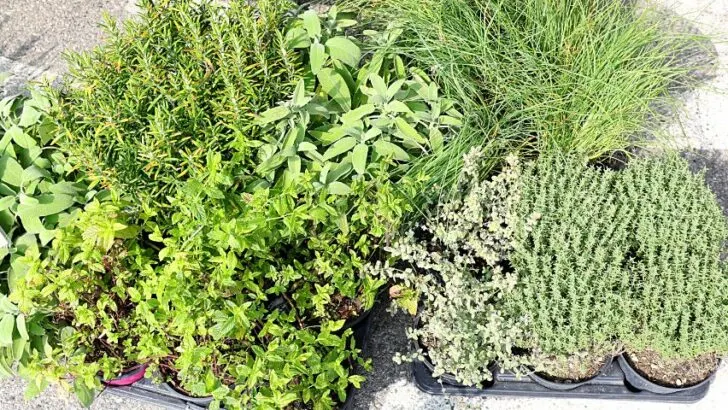
- Rosemary: Rosemary is another herb that is often grown alongside sage. Both plants are drought-tolerant and can help to attract beneficial insects to the garden. Rosemary can also help to repel cabbage moths.
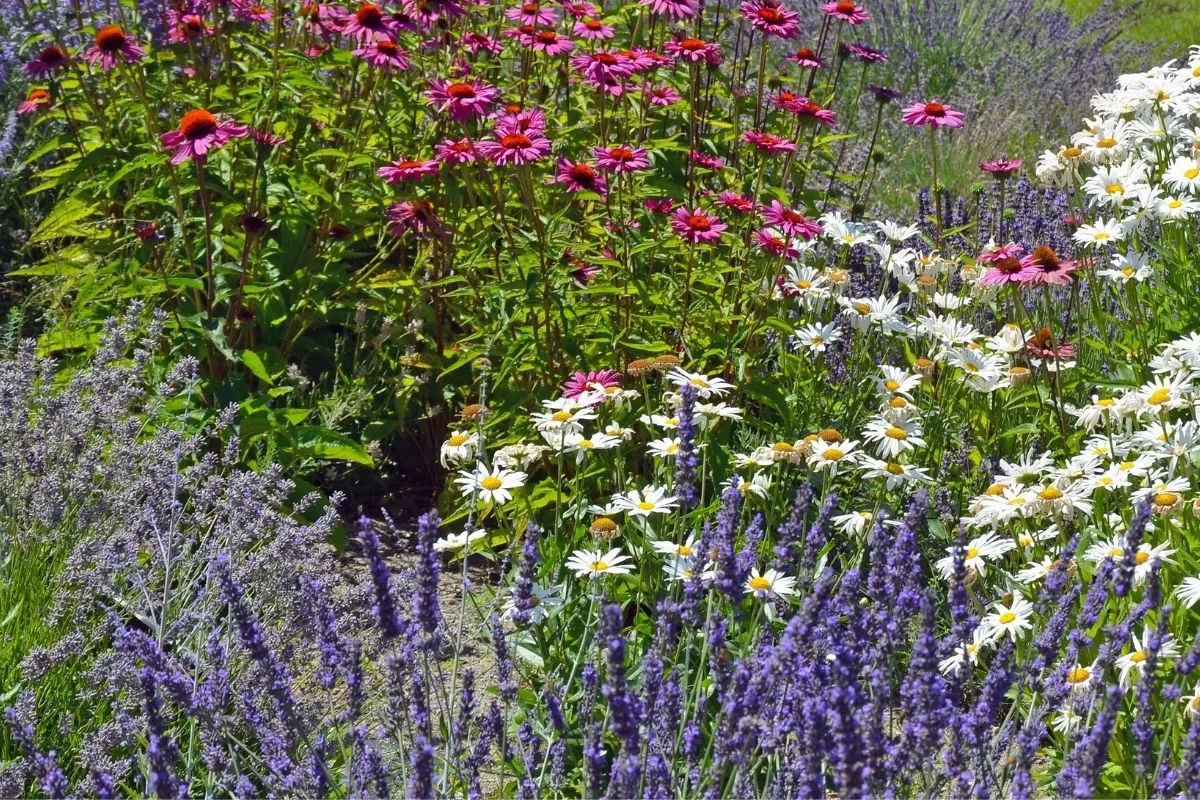
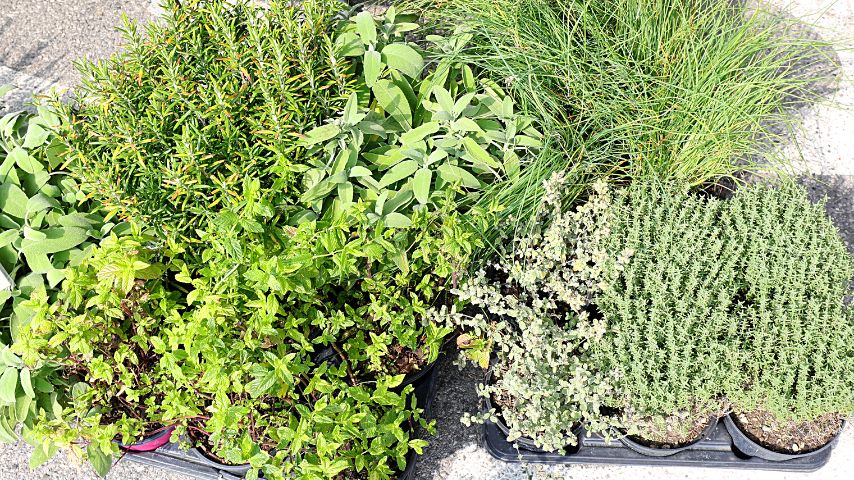
- Brassicas: Brassicas, such as broccoli, cauliflower, and Brussels sprouts, are a good companion plant for sage because they can help to repel pests such as cabbage moths and cabbage loopers.
- Strawberries: Strawberries are a delicious fruit that can also benefit from being planted near sage. Sage can help to deter pests such as aphids and spider mites.

- Tomatoes: Tomatoes are another vegetable that can benefit from being planted near sage. Sage can help to repel pests such as flea beetles and attract beneficial insects such as ladybugs.


Post a Comment for " Purple Sage Companion Plants That Will Enhance Your Garden"